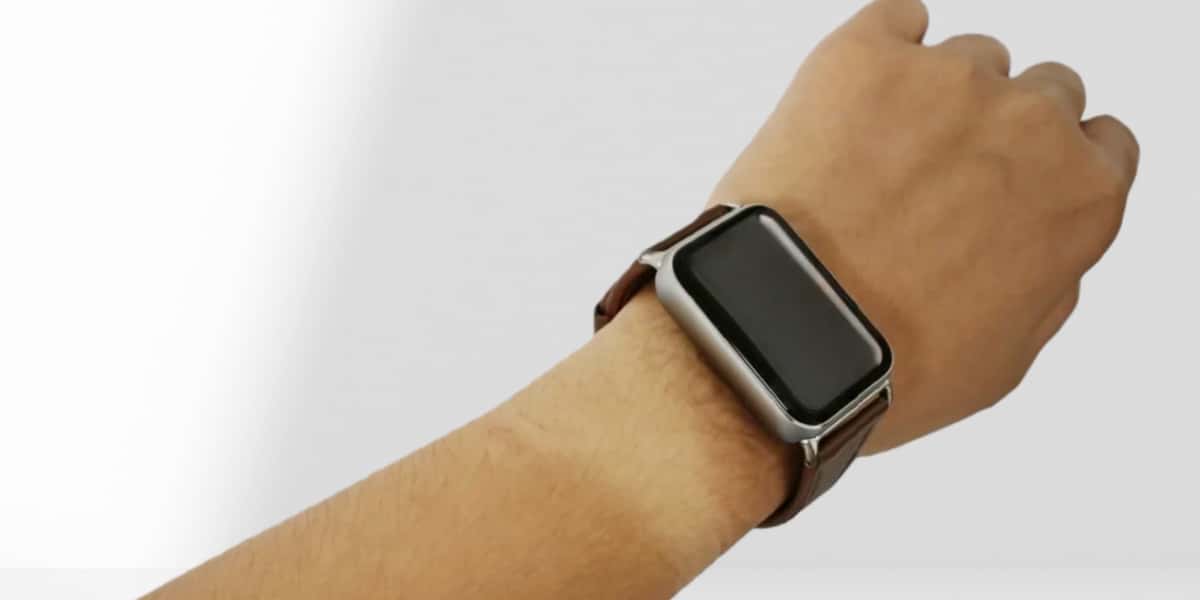
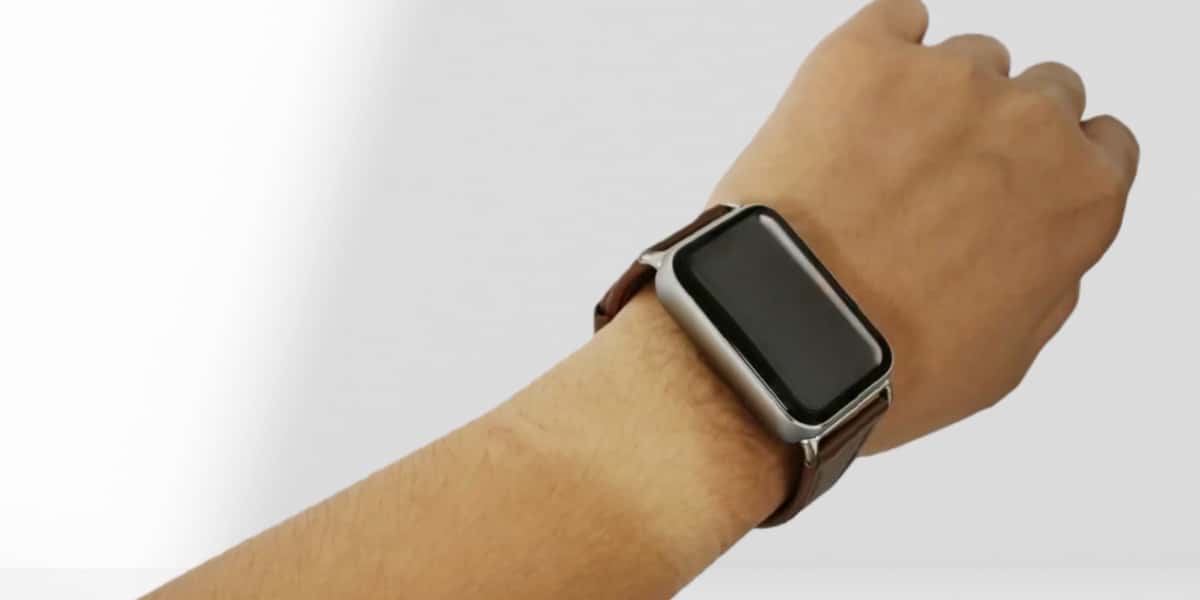
It often starts as a small detail. After a day outside, you take off your Apple Watch and notice a lighter patch of skin underneath. The contrast is subtle at first, but once you see it, it is hard to ignore. In places like Singapore, where the sun is part of everyday life, this kind of tan line shows up more easily than expected.
Are Apple Watch Tan Lines a Skin Problem?
In most cases, tan lines from wearing an Apple Watch are not a health concern. They affect how the skin looks rather than how it functions, and they tend to be temporary. For many people, the difference in skin tone is mainly a cosmetic detail that changes over time.
Why Apple Watch Tan Lines Appear So Easily
Apple Watch tan lines form when part of the skin is regularly covered while the surrounding area is exposed to sunlight. Over time, this difference in exposure can lead to a visible contrast in skin tone. In sunny environments like Singapore, where outdoor exposure is part of everyday routines, even short periods outside can contribute to this effect.
Daily sun exposure patterns
Because the watch sits against the same area of skin throughout the day, that spot receives less sunlight than the rest of the arm. As daily exposure adds up, small differences in coverage can become more noticeable. This is common for people who spend time outdoors as part of commuting, exercise, or regular daily activities.
Wearing habits over time
When a watch is worn in the same position day after day, the pattern of exposure stays consistent. Over weeks or months, this makes the lighter area easier to notice, even if overall sun exposure is moderate. The change usually happens gradually rather than all at once, which is why it often goes unnoticed at first.
Will Apple Watch Tan Lines Go Away on Their Own?
In most cases, Apple Watch tan lines do fade on their own. The process is gradual and influenced by factors such as sun exposure, skin tone, and how consistently the watch is worn. For many people, the contrast becomes less noticeable over time without requiring immediate attention.
How long fading usually takes
There is no fixed timeline for fading. Lighter contrasts may soften within a few weeks, while more defined tan lines can take a few months to blend. Changes tend to happen slowly, which is why progress is often noticed only after some time has passed rather than day by day.
Why the change can feel slow
One reason fading can feel uneven is that surrounding skin may continue to darken with regular outdoor exposure, especially in sunny climates like Singapore. This can make the contrast seem unchanged, even as the lighter area gradually adjusts.
Wearing the watch in the same position also keeps exposure patterns consistent. Because the difference builds and fades incrementally, many people only realise the change when they stop paying close attention to it.
What Actually Helps Reduce an Existing Tan Line
When it comes to fading an existing tan line, not every suggested fix makes the same difference. Some factors shape how noticeable the contrast feels in daily life, while others tend to support the process more quietly in the background. Understanding this difference helps set more realistic expectations.
What tends to matter more
In practice, how noticeable a tan line feels often follows a simple pattern. What draws attention is not only the lighter patch itself, but how the contrast around it changes over time.
- Growing contrast → stronger awareness
When the surrounding skin continues to darken with regular sun exposure, the difference becomes harder to ignore. Even small changes elsewhere on the arm can make the lighter area stand out more in daily situations. - Stable contrast → easier to ignore
Once exposure levels stop drifting further apart, the tan line often feels less distracting. It may still be visible, but it no longer draws the same level of attention during normal activities.
This is why preventing the gap from widening often matters more than trying to erase it quickly. The perception changes first, even before the skin itself shows clear signs of fading.
What helps, but often less than expected
Some approaches can support fading, but their impact is usually secondary. They tend to influence how evenly the skin renews rather than how quickly the contrast disappears, which is why results often feel subtle.
| Approach | What it tends to help with | What it usually doesn’t change much |
|---|---|---|
| Gentle exfoliation | Supports more even skin renewal over time | Does not remove a tan line on its own |
| Regular moisturising | Keeps skin comfortable and reduces dryness | Has limited effect on visible contrast |
| Brightening products | May slightly improve overall tone consistency | Rarely changes how fast a tan line fades |
These measures can be useful as part of normal skin care, but they tend to work slowly and quietly. For many people, changes in exposure patterns still play a larger role in how noticeable a tan line feels over time.
How to Prevent Apple Watch Tan Lines in the Future
Over the long term, preventing noticeable tan lines is less about avoiding them completely and more about keeping differences from becoming pronounced. For most people, this comes down to a handful of small, sustainable choices rather than strict routines.
Wearing habits that tend to make a difference
How the watch is worn over weeks and months matters more than what happens on any single day. Habits that change exposure patterns slightly but consistently tend to have a bigger effect than occasional adjustments.
- Varying the position once in a while
Keeping the watch in exactly the same spot every day makes exposure patterns very predictable. Small shifts—higher, lower, or looser—can reduce long-term contrast without affecting comfort or tracking. - Alternating wrists during certain periods
Switching wrists occasionally, especially during travel or outdoor-heavy weeks, gives one side a break from constant coverage. This tends to matter more during periods of repeated sun exposure. - Paying attention during extended outdoor time
Long walks, cycling sessions, or outdoor work contribute far more to contrast than short daily trips. Adjustments made during these longer stretches usually have a clearer impact than changes made during routine wear.
Sun protection as a situational tool
Sun protection plays a role, but its importance depends largely on context. The goal is not perfect coverage at all times, but reducing uneven exposure when it is most likely to build up.
- Consistency matters more than intensity
Light, regular protection during prolonged outdoor activities tends to be more effective than occasional heavy application during short outings. - Everyday routines usually need fewer adjustments
Normal commuting or brief errands rarely create strong contrast on their own. Extra steps make more sense on days with sustained sun exposure rather than as a daily rule. - Protective clothing works as a low-effort option
Sleeves or lightweight coverage can even out exposure without requiring constant attention. For some people, this feels easier to maintain than topical products.
Ultimately, preventing tan lines is about choosing which situations are worth responding to. Most people find that focusing on longer, repeated exposure offers better results than trying to manage every moment outdoors.
Conclusion
For most people, Apple Watch tan lines are a minor, temporary detail rather than a problem to solve. They tend to stand out only when contrast keeps changing, and fade into the background once exposure becomes more balanced. Knowing this often makes the difference easier to live with, even before the skin itself visibly changes.
FAQ
Do Apple Watch tan lines cause permanent skin damage?
In most cases, no. Tan lines from wearing an Apple Watch are a cosmetic difference caused by uneven sun exposure, not a sign of lasting skin damage.
The lighter area under the watch is simply less tanned than the surrounding skin. As exposure patterns change over time, the contrast usually fades rather than becoming permanent.
Are some skin types more prone to tan lines?
Yes. Differences in skin tone and how skin reacts to sunlight can affect how noticeable tan lines appear. Lighter skin often shows contrast more clearly, while deeper skin tones may blend more gradually.
Climate and daily exposure also play a role. In sunny places like Singapore, small differences tend to show up more quickly. These variations are normal and usually not a cause for concern.